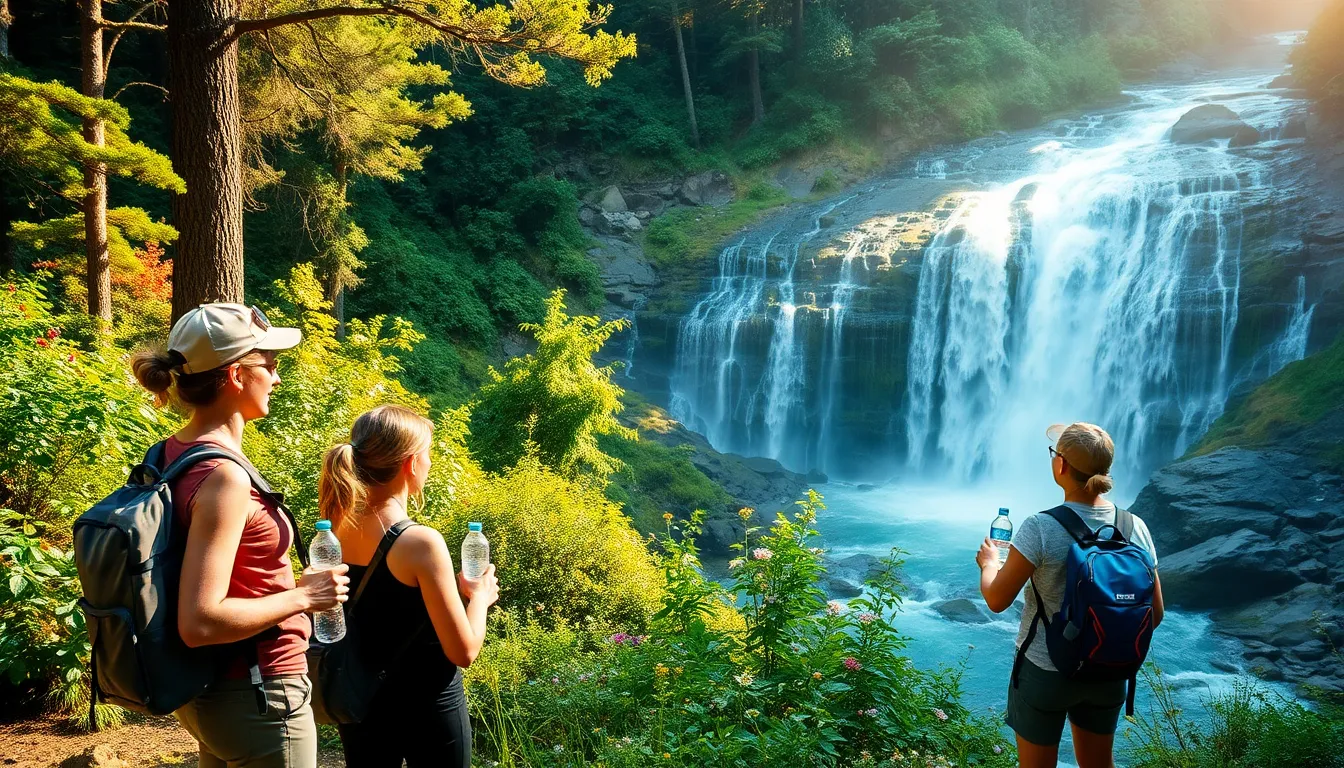

Follheur Waterfall, with its stunning cascades and picturesque views, might look like nature’s own refreshing beverage. But before anyone takes a daring sip, it’s time to dive into the murky waters of safety. Is that crystal-clear water really as pure as it seems, or is it hiding a few surprises that could turn a refreshing drink into a regrettable adventure?
Overview of Follheur Waterfall
Follheur Waterfall features impressive cascades and lush surroundings, attracting many nature enthusiasts. Visitors often admire the vibrant scenery, which includes unique flora and fauna native to the area. The waterfall’s clear water sparkles under sunlight, creating an enticing visual that might lead people to consider drinking from it.
Despite its beauty, the safety of drinking water from Follheur Waterfall raises concerns. Unfiltered water sources like this waterfall can harbor contaminants. Pathogens and pollutants can infiltrate the water due to upstream activities, animal waste, or environmental factors. Therefore, the water may pose health risks to those unsuspecting tourists seeking a refreshing drink.
Many travelers assess the visual clarity of the water before deciding. Clear water does not guarantee safety, as invisible microorganisms can still be present. Utilizing water testing kits can provide more assurance for those considering filtration methods or purification strategies.
Visitors should prioritize safety and explore alternatives for hydration. Carrying bottled water ensures safe drinking options while enjoying the scenic surroundings. Choosing to admire the waterfall from a distance rather than risk potential contamination minimizes health concerns.
Though Follheur Waterfall captivates with its natural beauty, purposefully avoiding drinking from its waters is essential. Travelers should embrace the view while safeguarding their health from unforeseen risks in this picturesque location.
Potential Risks of Drinking Water from Follheur Waterfall

Drinking water directly from Follheur Waterfall poses several potential risks. Visitors must understand that the water, despite its clarity, could contain harmful substances.
Contaminants and Pollutants
Contaminants regularly enter unfiltered water sources like Follheur. Runoff from nearby agricultural activities often introduces pesticides and fertilizers. These chemicals can lead to serious health issues such as nausea or long-term illness. Pollution from littering and other human activities may also compromise water quality. Testing indicates elevated levels of certain pollutants present in waterfall waters may occur. Relying solely on visual inspections can create a false sense of security.
Wildlife and Bacteria
Wildlife plays a significant role in the safety of waterfall water. Animals frequent the area, increasing the chances of water contamination through fecal matter. Harmful bacteria such as E. coli can thrive in these environments, posing risks if ingested. Additionally, stagnant areas around the waterfall could harbor harmful microorganisms that remain invisible to the naked eye. Unaware visitors may find themselves at risk of gastrointestinal distress after consuming untreated water. Staying informed helps tourists avoid potential health issues while enjoying the natural beauty of the waterfall.
Health Implications of Drinking Unsafe Water
Drinking unsafe water can lead to serious health concerns. Gastrointestinal issues often arise from exposure to pathogens found in contaminated sources. Symptoms may include diarrhea, vomiting, and stomach cramps, which are common reactions to bacteria like E. coli. Contaminated water also poses risks from viruses and parasites, leading to infections that significantly impact health.
Pathogens can enter waterways from various sources, including agricultural runoff and wildlife fecal matter. Pesticides and fertilizers used near the waterfall can leach into the water, increasing the likelihood of toxic exposure. Public health officials warn that relying on visual cues for safety can be misleading; clear water does not imply purity.
Infections caused by unsafe drinking water often require medical treatment, leading to added healthcare costs. Children, elderly individuals, and those with compromised immune systems face higher risks. Symptoms may progress rapidly in vulnerable populations, necessitating immediate care.
Testing confirms elevated pollutant levels in Follheur Waterfall, which raises concerns for visitors. Pollutants from littering and nearby human activities further compromise the water’s quality. Unfiltered runoff can contribute to harmful chemical concentrations that persist despite the water’s aesthetic appeal.
Visitors should be aware that potential long-term effects might follow from consuming contaminated water. Health problems such as kidney damage or chronic gastrointestinal issues can develop after repeated exposures. Prioritization of hydration through safe alternatives like bottled water is essential to avoid health risks while enjoying the beautiful surroundings of the waterfall.
Water Testing and Safety Measures
Testing water quality is essential to ensure safety before consumption. Water sources like Follheur Waterfall may seem clear but can harbor dangerous contaminants.
How to Test Water Quality
Various methods exist for testing water quality. Professional labs provide accurate results through chemical analysis. Portable testing kits can offer immediate insights into pH levels and bacteria presence. Additionally, testing for pollutants like pesticides or nitrates helps identify potential hazards. Frequent testing is crucial to monitor changes, especially after rainfall or upstream activities. Combining these approaches ensures a thorough understanding of water safety.
Recommended Safety Practices
Practicing safety around natural water sources is paramount. Always bring bottled water when visiting Follheur Waterfall to avoid health risks. Using water purification tablets or portable filters can provide an extra layer of protection. Avoid filling containers directly from the waterfall, especially from stagnant areas where contamination is more likely. Educating others about these practices fosters a safer environment for all visitors. Being cautious enhances enjoyment while appreciating the natural beauty without compromising health.
Alternatives to Drinking Water from Follheur Waterfall
Bottled water serves as a reliable choice for hydration while visiting Follheur Waterfall. Brands like Dasani and Aquafina provide convenient options, ensuring clean water is accessible. Portable water purification products such as LifeStraw can filter contaminants from natural water sources. Utilizing these filters offers peace of mind when clean water isn’t readily available.
Water purification tablets represent another effective solution. These tablets, available from brands like Katadyn and Aqua Mira, chemically treat water and make it safe for consumption. Following package instructions guarantees effective purification, which adds an extra layer of safety.
Additionally, hydration packs equipped with built-in filters allow for on-the-go access to fresh water. Popular brands like CamelBak integrate filtration systems, offering an easy alternative for outdoor enthusiasts. Ensuring the filtration system is functional maintains adequate water quality.
Visitors can also reach out to local parks or tourism information centers for safe water recommendations. Staff at these locations often provide valuable insights regarding the water quality in the area. They may suggest nearby locations to find clean drinking water, ensuring everyone stays hydrated during their visit.
Packing reusable water bottles makes it easier to consume water safely. Filling these bottles with tested water sources, such as those from local stores or reputable cafes, ensures quality. Staying aware of water safety recommendations helps prevent health risks during outdoor adventures.
Avoiding direct contact with waterfall water remains essential. Respecting safe hydration practices protects health and enhances the enjoyment of nature. By prioritizing proper hydration methods, visitors can enjoy the beauty of Follheur Waterfall without compromising their well-being.
Follheur Waterfall’s stunning beauty can easily lure visitors into considering a drink from its waters. However the potential health risks associated with consuming untreated water cannot be overlooked. Contaminants from agricultural runoff wildlife and human activities may compromise water quality despite its appearance.
To ensure a safe experience it’s vital to prioritize proper hydration methods. Opting for bottled water or using portable purification solutions is the best way to enjoy the scenic surroundings without jeopardizing health. By taking these precautions visitors can appreciate the waterfall’s charm while safeguarding their well-being.