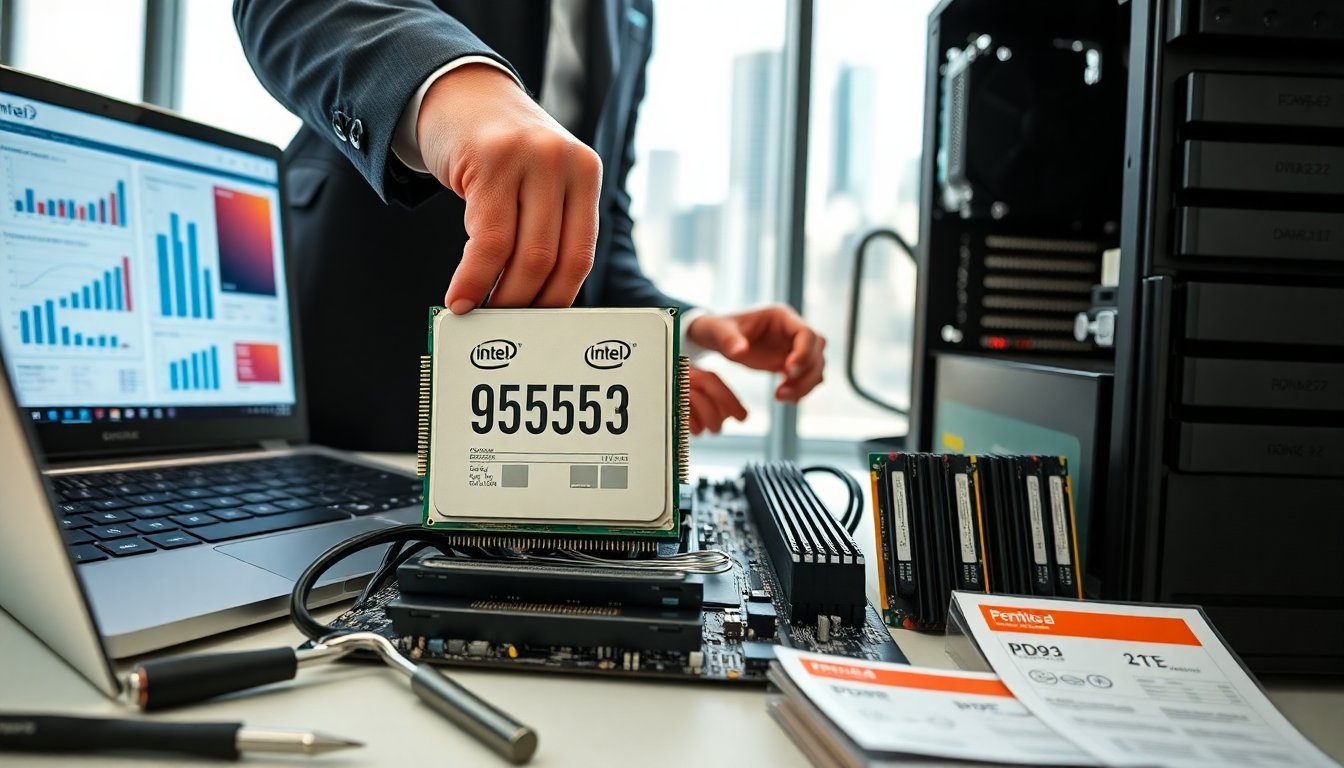

9550×93 is a high-performance component that designers and system builders watch closely. It delivers multi-core throughput and high clock rates for demanding tasks. The guide covers specs, real-world performance, compatibility, and maintenance. Readers will learn what 9550×93 provides and how to match it to a system.
Table of Contents
ToggleKey Takeaways
- The 9550×93 processor delivers balanced multi-core and single-thread performance ideal for prosumers and workstation users handling demanding workloads.
- Its compatibility with standard sockets and platform features simplifies system upgrades and installation for builders and OEMs.
- Real-world benchmarks show 9550×93 excels in productivity tasks like rendering and compilation, and provides solid gaming performance when paired with a capable GPU.
- Proper system setup for 9550×93 includes matching motherboard BIOS support, power supply capacity, cooling solutions, and memory configurations to optimize performance.
- Routine maintenance such as firmware updates, cooler reseating, and dust cleaning helps sustain the 9550×93’s reliability and thermal efficiency.
- Troubleshooting common 9550×93 issues involves BIOS microcode updates, clearing CMOS, and verifying power profiles to prevent performance drops.
What 9550×93 Is And Why It Matters
9550×93 is a processor-class part aimed at prosumers and workstation users. It offers many cores and high single-thread clocks to serve mixed workloads. Engineers design 9550×93 for rendering, compilation, and heavy multitasking. Buyers choose 9550×93 when they need sustained throughput and low latency under load. System builders value 9550×93 for its platform features and upgrade paths. OEMs list 9550×93 in performance-focused desktop and small server SKUs. The market receives 9550×93 well when price-to-performance fits project budgets.
Key Specifications And Standout Features
9550×93 ships with a specific core count and clock profile that balance parallel and single-thread work. It includes an L3 cache sized to reduce memory stalls. Platform I/O on 9550×93 supports multiple PCIe lanes and high-speed memory channels. The part supports modern instruction sets and hardware acceleration for common codecs. Thermal design power (TDP) for 9550×93 sets cooling requirements and informs case selection. The package for 9550×93 uses standard sockets to ease installation and future upgrades. Firmware updates for 9550×93 add stability and occasional performance gains.
Performance And Benchmarks Overview
Third-party labs test 9550×93 across workloads to provide apples-to-apples comparisons. Benchmarks show where 9550×93 gains matter and where they do not. The section below breaks real usage and synthetic results into clear categories. Readers can match those results to their workloads to decide if 9550×93 fits their needs.
Real-World Workload Performance (Productivity, Media, Gaming)
In productivity tasks, 9550×93 speeds up compiles and media exports when software uses many threads. It reduces build times and shortens render queues for teams. In video editing, 9550×93 cuts export time when encoders use CPU paths. For mixed workloads, 9550×93 shifts tasks between cores to keep responsiveness high. In gaming, 9550×93 delivers solid framerates when paired with a proper GPU. Gamers see benefits in CPU-bound titles and in high-refresh setups. Content creators and gamers pick 9550×93 when they want a single platform that handles both roles.
Compatibility, System Requirements, And Installation Tips
Motherboards must list socket and BIOS support for 9550×93 before installation. Power supplies must provide stable rails and sufficient wattage for 9550×93 under peak load. Cooling solutions should match the TDP rating and case airflow for 9550×93. Memory kits that match the platform’s channel and speed specifications improve 9550×93 latency and throughput. Users should update motherboard firmware to the recommended version before booting 9550×93. Install 9550×93 in a grounded workspace and follow torque specs for the socket to avoid damage. Drivers and chipset packages will unlock platform features for 9550×93.
Common Issues, Troubleshooting, And Maintenance Best Practices
Systems may show boot errors if BIOS lacks microcode for 9550×93. Users should clear CMOS and load optimized defaults after firmware updates for 9550×93. Thermal issues arise when heatsinks sit poorly or thermal paste is old: reseat the cooler to fix 9550×93 heat problems. Performance drops often trace to power limits or incorrect power profiles that cap 9550×93. Memory errors can come from kits that do not match 9550×93 channel layouts: test sticks in single-channel then add modules. Regular maintenance includes cleaning dust from fans and checking cooler mounts to keep 9550×93 temperatures low. For persistent faults, contact the board or component vendor with logs that include BIOS version and 9550×93 identifiers.