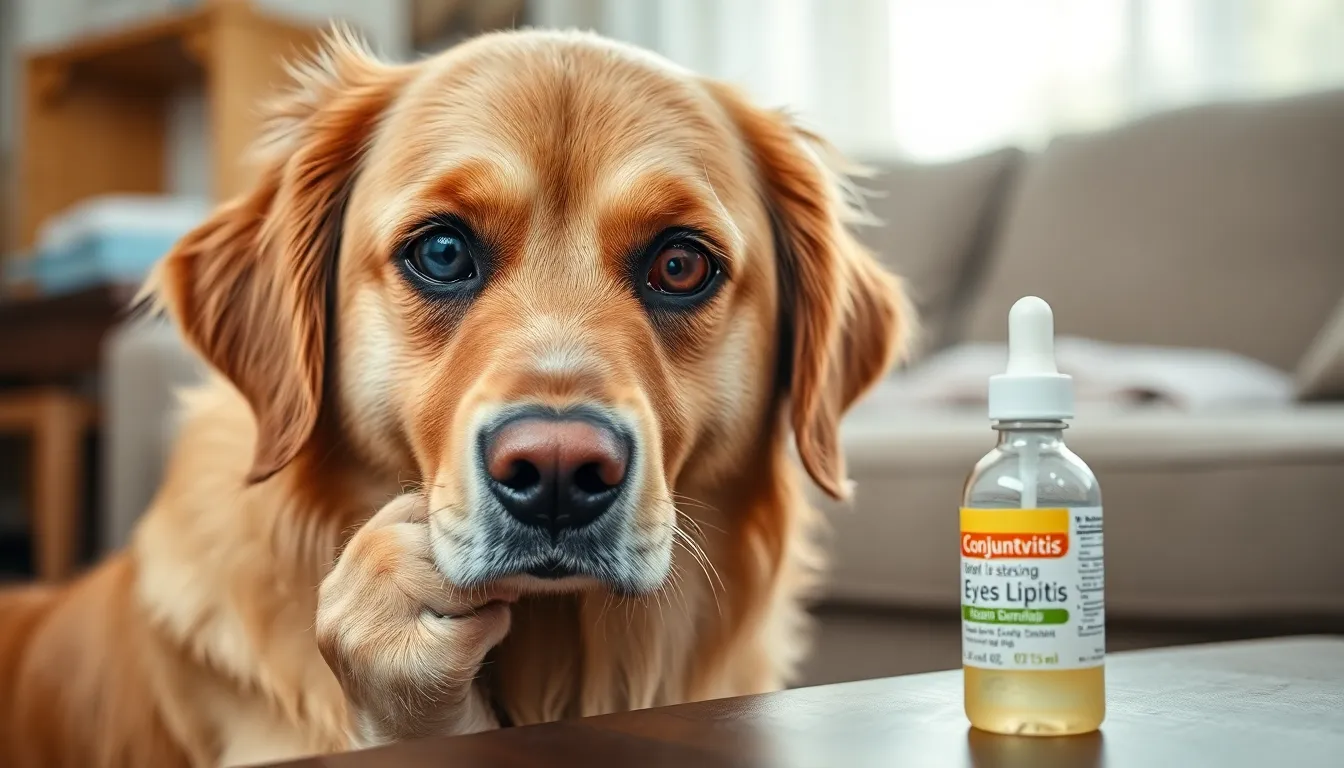

When a dog’s eyes start looking like they’ve just binge-watched a soap opera, it’s time to pay attention. Conjunctivitis, or pink eye for pups, can turn even the most playful pooch into a sad sack. Luckily, there’s a solution that doesn’t involve a trip to the vet every five minutes—eye drops!
Overview of Conjunctivitis in Dogs
Conjunctivitis, often referred to as pink eye, leads to inflammation of the eye’s conjunctiva in dogs. This condition may arise from various factors, including bacterial or viral infections, allergies, or foreign bodies. Symptoms often manifest as redness, swelling, and discharge from the eyes. Owners should watch for excessive tearing, squinting, or pawing at the eyes.
Diagnosis involves a veterinary examination, where a vet assesses eye health and identifies potential causes. Allergic conjunctivitis, for example, may occur due to pollen or dust, whereas bacterial conjunctivitis requires targeted treatment. Treatment options frequently include medicated eye drops that reduce inflammation and fight infection.
Eye drops serve as an accessible and effective solution for managing conjunctivitis symptoms. Administering these drops helps alleviate discomfort, making the dog more comfortable. Regular monitoring is crucial, as untreated conjunctivitis can lead to more severe eye issues.
Understanding the symptoms and treatments of conjunctivitis facilitates timely interventions. Owners who recognize these indicators can act quickly to seek veterinary care and explore suitable eye drop options. Addressing conjunctivitis not only aids in healing but also enhances overall pet well-being.
Common Symptoms of Conjunctivitis
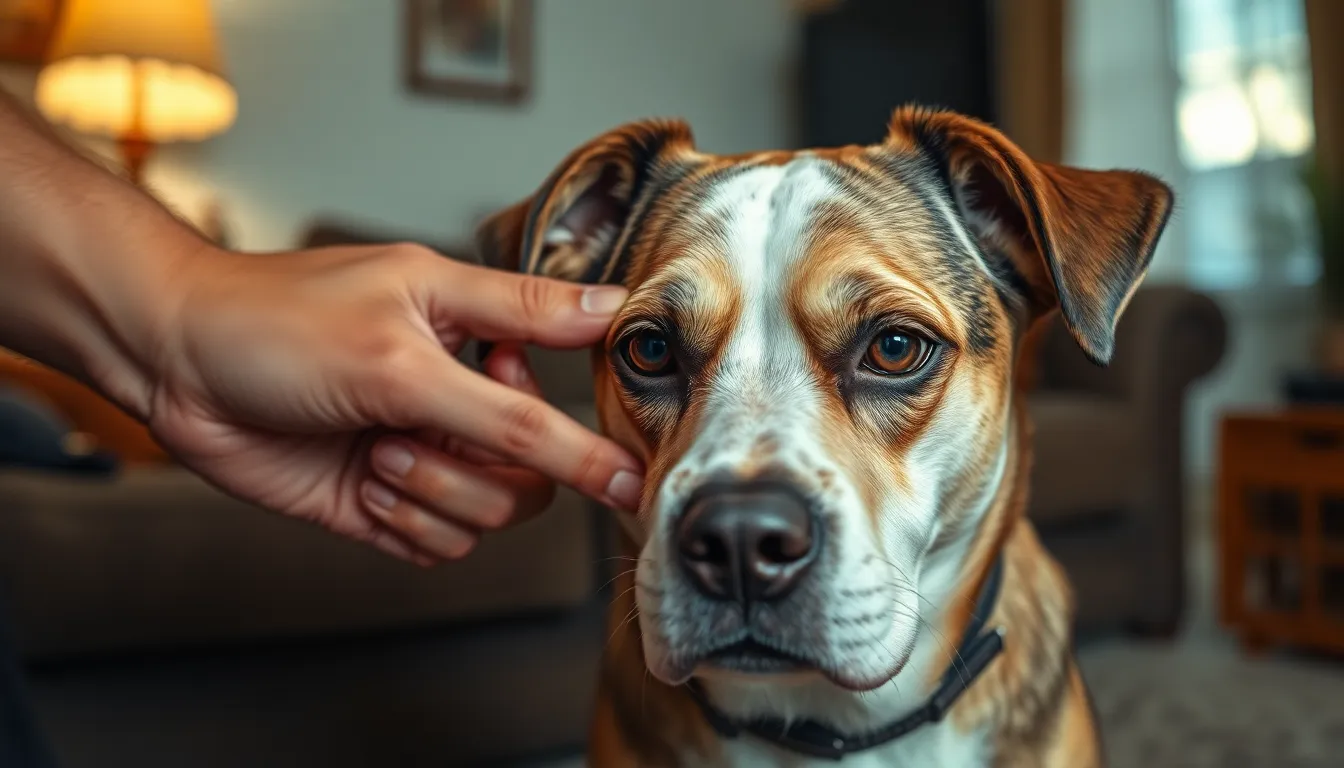
Recognizing conjunctivitis in dogs involves observing a range of symptoms that indicate discomfort. Common signs include redness in the eye, visible swelling of the eyelids, and an increase in tear production. Excessive watering often leads to a discharge that may appear crusty or sticky. Squinting occurs frequently as dogs try to minimize light sensitivity, and pawing at the eyes signals irritation or discomfort.
Recognizing the Signs
Noticing discomfort is key to identifying conjunctivitis. Redness and swelling around the eyes can indicate inflammation. Watery eyes may suggest an underlying issue, while a thick discharge often accompanies infections. Squinting demonstrates pain and sensitivity to light, leaving dogs feeling uneasy. Pawing at the eyes can exacerbate irritation and risk further injury. Early detection of these signs triggers timely veterinary evaluation.
Severity Assessment
Determining the severity of conjunctivitis begins with observing the symptoms. Mild cases often present with redness and minor tearing, while moderate cases exhibit significant irritation and persistent discharge. Severe conjunctivitis may lead to intense pain and vision impairment, demanding immediate veterinary attention. Evaluation of the discharge type is vital; clear tears suggest allergies, while yellow or green discharge often points to bacterial infections. A thorough examination by a veterinarian helps gauge the extent of the condition and implement the necessary treatment plan.
Types of Eye Drops for Dogs Conjunctivitis
Various eye drops treat conjunctivitis in dogs, addressing specific causes and symptoms. Understanding these types aids in selecting the most appropriate solution.
Antibiotic Eye Drops
Antibiotic eye drops target bacterial infections causing conjunctivitis. These drops contain medications like ciprofloxacin or neomycin, effectively killing bacteria and preventing further infection. Commonly prescribed for yellow or green discharge, these drops require careful application and adherence to prescribed dosages. Veterinarians often emphasize using these drops consistently to ensure a complete recovery and avoid resistance. Regular follow-up appointments may be necessary to monitor progress.
Anti-Inflammatory Eye Drops
Anti-inflammatory eye drops reduce swelling and discomfort associated with conjunctivitis. These drops typically include corticosteroids, aiding in soothing inflamed tissues. Application of these drops may alleviate symptoms like redness and irritation quickly. Owners must ensure the vet prescribes them appropriately, as improper use can worsen some conditions. It’s essential to follow the veterinarian’s advice on duration and frequency to achieve optimal results.
Antihistamine Eye Drops
Antihistamine eye drops provide relief for allergic conjunctivitis in dogs. These drops work by blocking histamines, effectively reducing itching and redness. Owners may notice a significant decrease in tearing and discomfort after application. It’s important to identify the specific allergens causing symptoms for effective treatment. Seeking veterinary guidance ensures that the right antihistamine formulations are used for the dog’s needs. Consistent application may lead to long-term symptom control.
How to Administer Eye Drops to Your Dog
Administering eye drops to a dog requires preparation and a systematic approach. Following these steps ensures a smooth experience for both the dog and the owner.
Preparing Your Dog
Calm the dog before administering eye drops. Create a relaxed environment by using a quiet space. Sit down with the dog on a comfortable surface, such as a bed or couch. Gently stroke the dog to help soothe any anxiety. Familiarize the dog with the dropper by letting them sniff it; this can reduce stress. If needed, ask someone to assist by gently holding the dog. Ensuring the dog feels secure is crucial for successful application.
Step-by-Step Application
Position the dog comfortably, ideally with its head facing forward. Approach the eye dropper with confidence while restraining the dog gently, if necessary. Use your non-dominant hand to hold the dog’s head steady. With the dominant hand, squeeze the dropper to release one drop into the eye. Aim for the space between the lower lid and eye, allowing the drop to enter freely. Praise the dog immediately after the application to reinforce positive behavior. Wipe away excess liquid with a clean tissue to prevent irritation or staining of the fur.
Addressing conjunctivitis in dogs is essential for their comfort and health. Timely recognition of symptoms and proper veterinary care can significantly improve outcomes. Eye drops tailored to the specific cause of conjunctivitis play a crucial role in treatment, helping to alleviate discomfort and prevent further complications.
Owners should remain vigilant and proactive in monitoring their dogs’ eye health. By following veterinary instructions for administering eye drops and maintaining regular check-ups, pet owners can ensure their furry companions enjoy a better quality of life. Taking these steps not only addresses immediate concerns but also fosters long-term eye health.