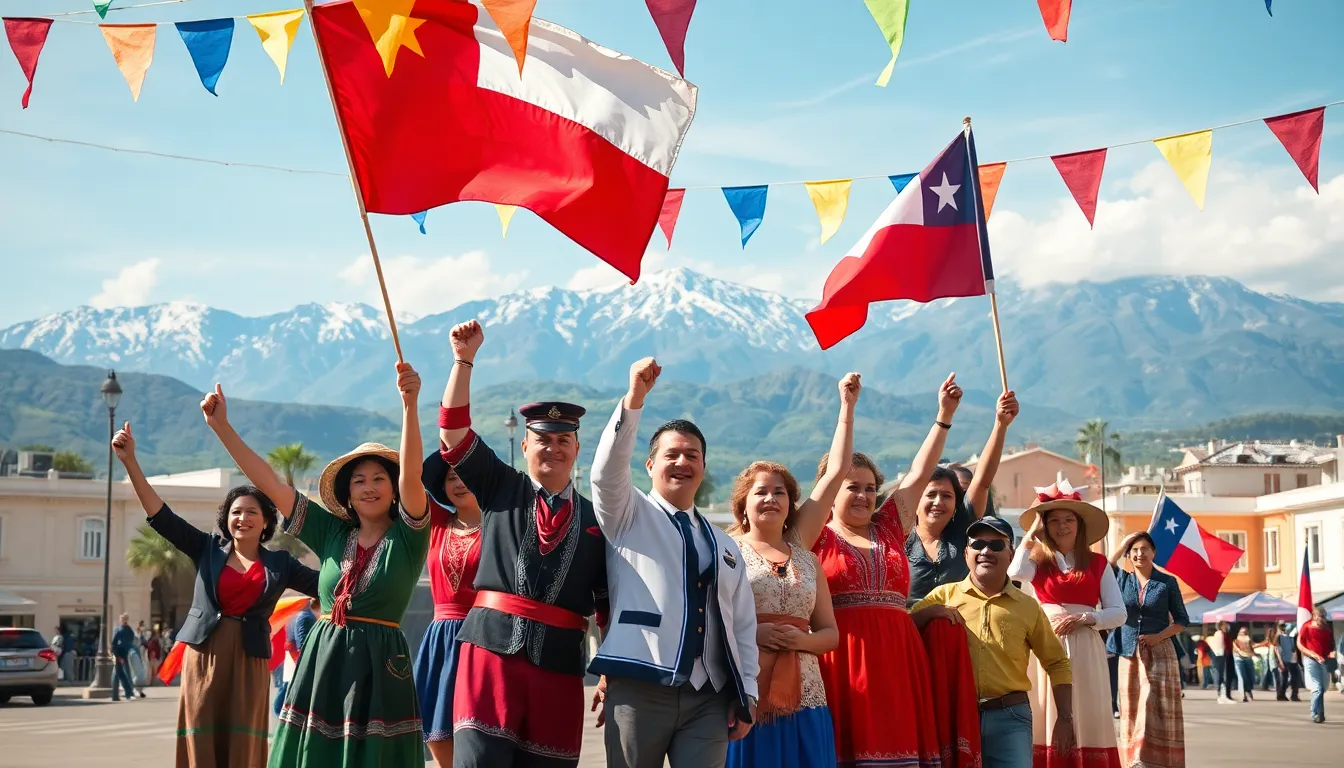

Chile’s journey to independence is like a thrilling historical rollercoaster, complete with twists, turns, and a few unexpected drops. Picture this: it’s the early 1800s, and the people of Chile are ready to break free from Spanish rule. They’re tired of being told what to do and are itching to write their own destiny. But when exactly did this bold move happen?
Overview of Chile’s Independence
Chile gained independence after a lengthy struggle against Spanish colonial rule during the early 1800s. The process began in 1810 with the establishment of the First National Government Junta, which laid the groundwork for self-governance. Throughout the following years, various battles for freedom took place, with significant events occurring in 1813 and 1814.
Key figures emerged during the struggle, such as Bernardo O’Higgins and José de San Martín. O’Higgins played a pivotal role in efforts to organize and lead the Chilean army. San Martín, a prominent revolutionary leader, joined forces with Chileans to push against Spanish authority in South America. The collaboration between these leaders strengthened the quest for autonomy.
By 1818, Chile declared its formal independence after a decisive victory at the Battle of Maipú. This battle marked a turning point, solidifying Chilean sovereignty over its territory. Alongside military efforts, the growing sentiment for freedom among the Chilean populace fueled the independence movement. The desire for self-determination resonated across the country, uniting diverse groups against colonial rule.
Following independence, Chile faced challenges in establishing a stable government. Conflicts between different factions arose as the country navigated its new identity. This period of transformation eventually led to the establishment of a republican government in 1822. The efforts of numerous individuals and communities contributed to the ongoing development of a sovereign Chile, shaping its national identity.
Historical Context
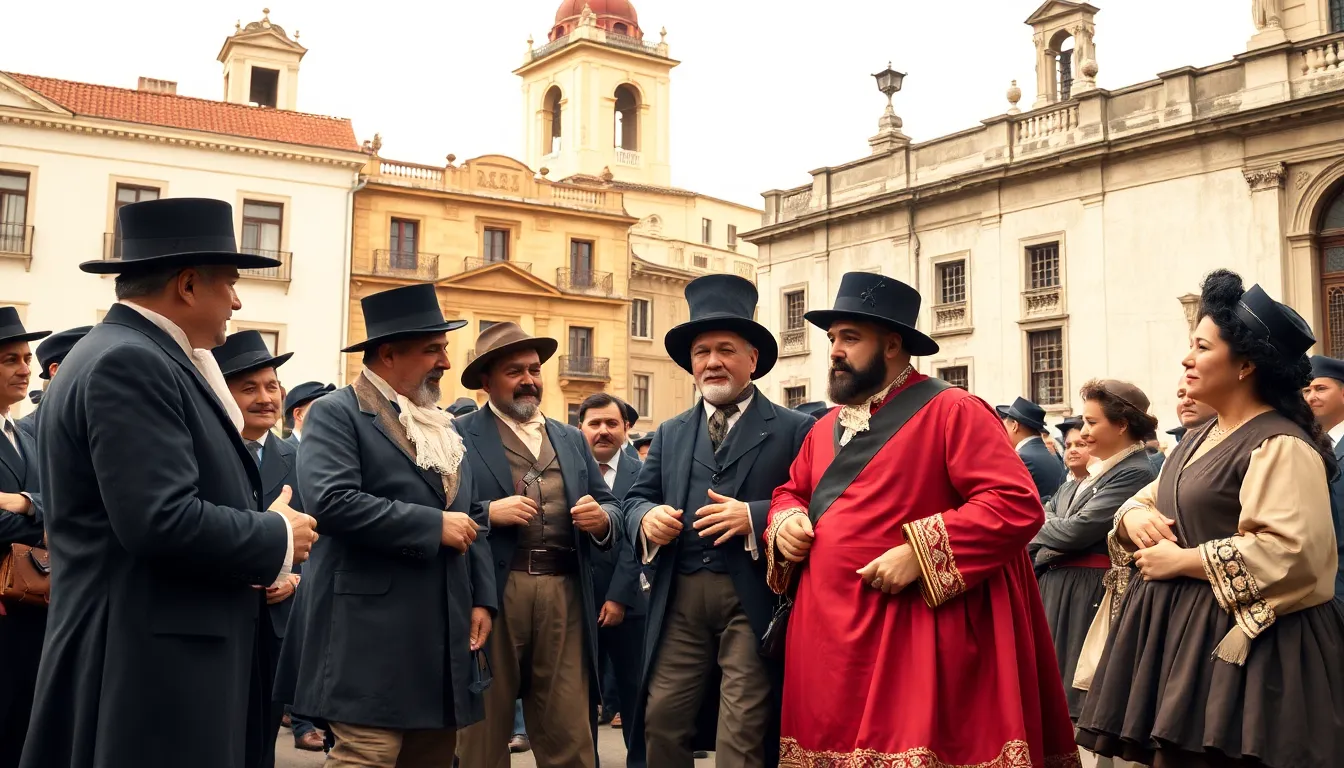
Chile’s independence from Spanish rule emerged from a complex backdrop of colonial authority and evolving philosophical ideas. The struggle for autonomy led to significant developments throughout the early 1800s.
Spanish Colonial Rule
Spanish colonial rule imposed strict governance and economic control over Chile. Citizens faced heavy taxation and limited political representation. Social hierarchies created tensions, particularly among the Creole population who sought greater power and autonomy. Discontent simmered among various groups, fueling aspirations for freedom. The establishment of the First National Government Junta in 1810 marked a critical point in this journey, as it signaled a collective push against colonial regulations. Leaders like Bernardo O’Higgins galvanized support, laying the foundation for a coordinated resistance against Spain.
Influences of the Enlightenment
The Enlightenment sparked revolutionary thoughts across the globe, significantly influencing Chilean independence. Ideas about individual rights and self-determination resonated deeply among the educated elite. Philosophers such as John Locke and Montesquieu inspired Chileans to envision a society beyond colonial rule. Their writings motivated local leaders to challenge established norms and advocate for democratic governance. Revolutionary sentiments merged with local desires for change, fostering a potent movement. As these ideas permeated society, they bolstered the unity of diverse groups rallying for independence from Spanish control.
Key Events Leading to Independence
Chile’s journey toward independence was marked by numerous pivotal events that shaped its national identity.
The First National Assembly
The First National Assembly convened on September 18, 1810. This assembly marked a revolutionary shift in governance. Delegates expressed the desire for greater autonomy from Spain. They also established the First National Government Junta, aiming to create a new political structure. Local leaders participated actively in discussions about self-rule. Notably, representatives endorsed the idea of forming a national identity separate from colonial authority. The assembly’s formation laid the groundwork for ongoing revolutionary efforts, unifying various factions with the common goal of independence.
The Battle of Chacabuco
The Battle of Chacabuco occurred on February 12, 1817. This battle was a decisive conflict in the Chilean War of Independence. Forces led by José de San Martín and Bernardo O’Higgins executed strategic maneuvers against loyalist troops. A clear victory on this day boosted the morale of revolutionary forces significantly. The triumph at Chacabuco paved the way for the liberation of Santiago. Enhanced by this victory, independence supporters rallied, gaining momentum for their cause. The battle showcased Chileans’ resilience and determination to secure their freedom from Spanish rule.
Official Declaration of Independence
Chile’s official declaration of independence marked a pivotal moment in its history. On February 12, 1818, after a series of determined revolutionary efforts, Chileans announced their sovereignty from Spanish rule.
Date and Significance
February 12, 1818, stands as a defining date in Chilean history. This declaration symbolized the culmination of years of struggle against colonial authority. Despite intermittent conflicts and setbacks, celebrating this date honors rich national identity. Chileans regard this declaration as the starting point for self-determination and political autonomy. The victory firmly established a framework for the nation’s further development as an independent state.
Major Figures Involved
Key figures played significant roles during this transformative period. Bernardo O’Higgins emerged as the leader of the revolutionary forces, driving the push for autonomy. José de San Martín collaborated closely with O’Higgins, sharing military strategies and providing essential support. Other influential leaders included Manuel Rodríguez, who contributed to guerrilla tactics, and Diego Portales, who later shaped Chile’s political landscape. Each individual’s efforts collectively forged a path toward independence and national unity. Their legacy continues to inspire future generations, reinforcing the importance of perseverance in the quest for freedom.
Aftermath of Independence
After gaining independence, Chile underwent significant transformation in its political and economic landscapes. Challenges arose as leaders sought to establish a unified government that reflected the people’s aspirations.
Political Changes
Political instability characterized the early years following independence. Conflicts emerged between various factions, often rooted in differing visions for governance. The establishment of a republican government in 1822 marked a crucial turning point that set a framework for political evolution. Leaders like Bernardo O’Higgins and Diego Portales advocated for modernization and stability, pushing against old colonial ties. The introduction of new political institutions helped consolidate authority, fostering a sense of national identity among Chileans.
Economic Impact
Economic changes emerged as the new nation aimed to establish itself. Agricultural production saw growth as land reforms took shape, fostering new opportunity for landowners and farmers alike. Chile’s independence opened new trade routes and markets, enhancing the country’s connections with other nations. The mining sector, especially copper, began to flourish, contributing significantly to the national economy. Increased commerce led to the rise of a middle class, transforming socio-economic structures. The economic groundwork laid in this period facilitated future industrial development, positioning Chile for growth in the years to come.
Chile’s journey to independence is a testament to the resilience and determination of its people. The struggles faced and the sacrifices made by key figures laid a foundation for the nation’s future. The formal declaration of independence in 1818 not only marked the end of colonial rule but also ignited a sense of national identity that continues to resonate today.
As Chile navigated its early years of independence, the political and economic transformations set the stage for growth and modernization. The legacy of those who fought for freedom remains a source of inspiration, reminding future generations of the importance of unity and perseverance in the pursuit of self-determination.